Corporate Workwear Trends Shaping the Future in 2025
05.12.2024
Corporate
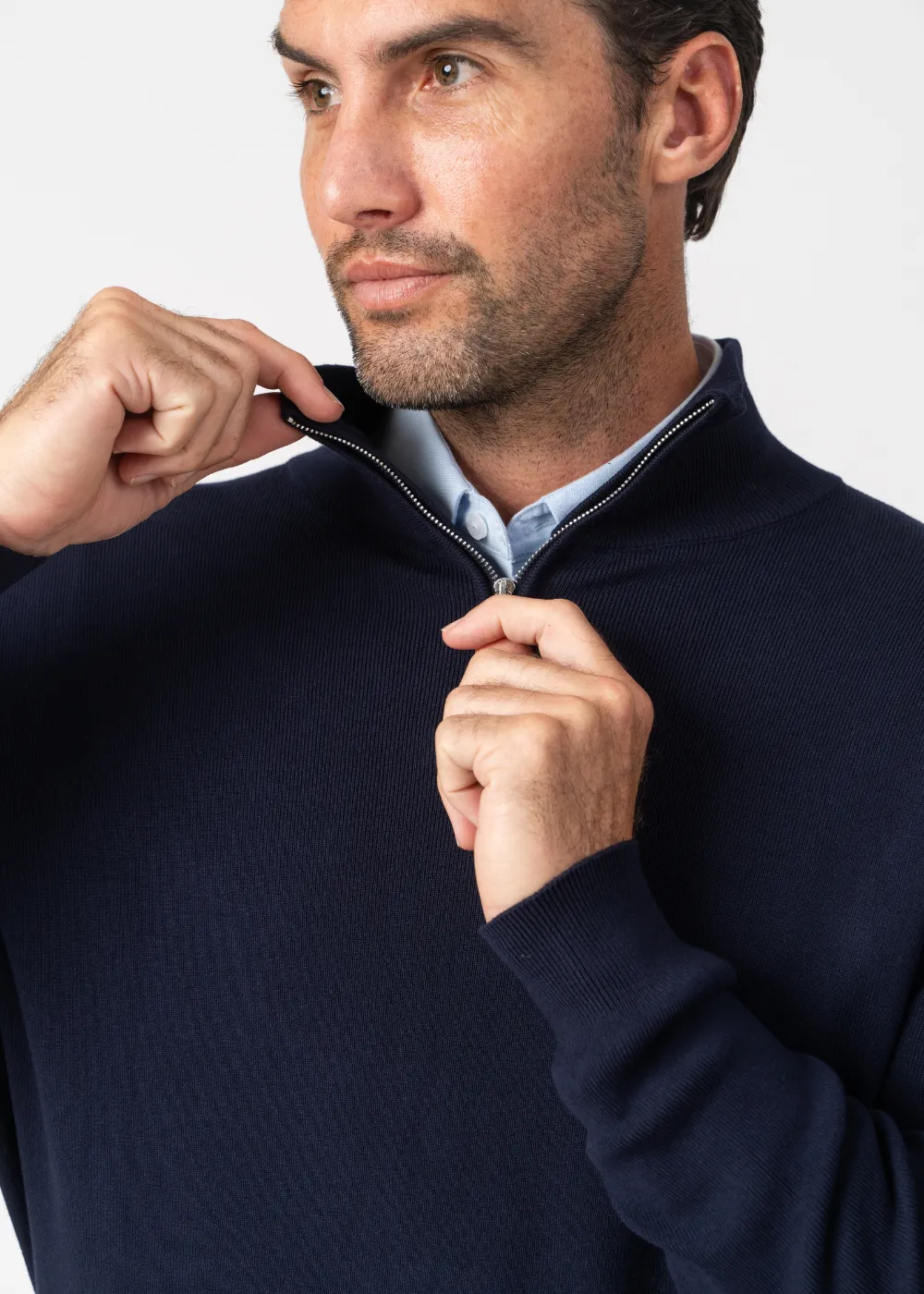
Corporate workwear trends are evolving to meet the demands of modern workplaces, balancing professionalism with sustainability, functionality, and inclusivity. As we move into 2025, businesses are rethinking uniforms to better align with employee needs, company values, and technological…
Corporate workwear trends are evolving to meet the demands of modern workplaces, balancing professionalism with sustainability, functionality, and inclusivity. As we move into 2025, businesses are rethinking uniforms to better align with employee needs, company values, and technological advancements. These trends not only enhance brand image but also contribute to a positive workplace culture. Total Image dives into the top corporate workwear trends shaping the future of office attire.
Sustainable and Eco-friendly Materials
As both businesses and consumers increasingly embrace sustainability, it has become a priority for the fashion industry— corporate wear included. By seeking a more sustainable corporate wardrobe, businesses allow their uniforms to make a positive impact beyond brand image. Materials like recycled polyester, organic cotton, and biodegradable fibres, combined with eco-friendly production methods such as water-saving dyeing processes, are gaining attraction and are ultimately building greener corporate workwear trends.
Designed to reduce environmental impact while catering to workplace needs, eco-friendly materials in corporate workwear are transforming the perceptions of uniforms; to look good, feel good, and contribute to a more sustainable future.
A common eco-friendly material in workwear is recycled polyester. Derived from post-consumer plastic bottles, utilising recycled polyester prevents additional plastic from ending up in landfills, and ensures uniforms are designed with a fabric that is strong, flexible, and easy to care for— essential features for corporate uniforms due to the high amount of wash and wear.
Organic cotton, produced without pesticides or chemical fertilizers, not only promotes biodiversity in its harvest process, but is a fabric with greater longevity, and durability, and is more breathable than regular cotton. Through fabrics like organic cotton, sustainable uniforms deliver functionality and support employees in their daily tasks.
Another fabric driving innovation in uniforms is Tencel, made from sustainably sourced wood pulp. Tencel is a breathable, antibacterial, and wrinkle-resistant fabric produced without toxic chemicals and with low water consumption, making it an ideal choice for eco-friendly uniform items. Uniforms made with Tencel are designed for practicality and functionality while also addressing long-term environmental waste through the fabric’s natural decomposition.

Customisation and Personalisation
As uniforms play a pivotal role in reflecting a brand’s image and an employee’s individuality, corporate workwear trends are fuelling demand for customisation and personalisation. Advancements in technology and manufacturing have allowed organisations to provide the “perfect fit” for employees, offering unique styles that allow them to feel the most confident. Examples include office suits designed in regular, slim, and relaxed fits, which cater to various corporate settings and are comfortable for different body types.
With industries requiring diverse uniform styles and standards, integrating custom functional features—such as job-specific pockets or performance enhancements—ensures employees are well-supported in their daily tasks. From hidden buttons in receptionist blouses to soft fabrics in tops and polo shirts that allow ease of movement, corporate workwear trends are providing employees with attire that is both professional and highly functional.
Functionality Meets Fashion
Modern workplaces continue to evolve at a rapid pace, and this includes the way corporate workwear is perceived. Detaching from traditional uniforms, confined to restrictive suits and footwear, corporate workwear trends are introducing a new wave of functional and stylish dress codes.
A key factor shaping modern corporate workwear is the adaptation to unique work environments, where advanced fabrics bring performance benefits to uniforms without sacrificing style. For example, moisture-wicking shirts enhance comfort and regulate temperature for employees who frequently move between indoor and outdoor settings or perform physically demanding tasks. Similarly, the rise of hybrid work environments has created a need for uniforms that are versatile enough for the office, remote work, and field settings. Reflecting the trend toward functionality and style, pairing chinos with a smart blazer has become a popular choice, offering an elegant yet versatile look.
Inclusivity and Diversity in Design
Inclusivity and diversity in uniform designs continues to be a growing part of corporate workwear trends, as they unify employees and reflect businesses’ care and commitment to their values and people. Popular uniform designs accommodating greater diversity and inclusion include the expansion of size ranges, with petite and plus-size collections ensuring everyone can access uniforms that look and fit well. Gender-neutral styles promote a more diverse workforce by removing connotations of traditional gender stereotypes and provide employees the flexibility to dress in styles they are most comfortable with. Additionally, as modern workplace dynamics become more diverse, integrating culturally sensitive patterns, colours, and designs can reflect inclusion and support for various heritages and cultures. An example may be incorporating Indigenous-inspired patterns into corporate scarves or ties.

The corporate workwear trends of 2025 highlight a shift toward innovation, inclusivity, and sustainability in workplace fashion. By embracing these trends, businesses can create uniforms that empower employees, reflect corporate values, and adapt to the changing demands of the modern workforce. Whether it’s through smart fabrics, customised designs, or eco-friendly materials, the future of corporate workwear is brighter—and more dynamic—than ever.

Enquiries
EOFY Uniform Ordering: Why Now Is the Best Time to Plan Ahead
EOFY is the perfect time to rethink your uniform program The end of financial year is more than a time to close off budgets and tidy up paperwork. It is the perfect opportunity to look ahead, review what your team needs, and make sure your uniform program is working as hard as it should. Because

The Most Common Uniform Mistakes (And How to Fix Them)
Quality shouldn’t hold a team back, yet when corners are cut in uniform design, the impact is felt across both people and brand. What should empower staff throughout their workday can instead lead to inconsistency and frustration when uniform quality issues are overlooked. With over 20 years of custom uniform expertise, Total Image understands what it takes to get it right. By breaking down the most common uniform problems and how to fix them, this guide highlights the key considerations for

What Should a Uniform Include?
There’s more to a well-designed uniform than what meets the eye. From developing concepts that work as hard as your teams to ensuring consistency and support throughout rollout, it can be difficult to understand what a company uniform should include. As experts in custom uniform design, Total Image…
Beat the Chill with Smart Winter Uniform Updates
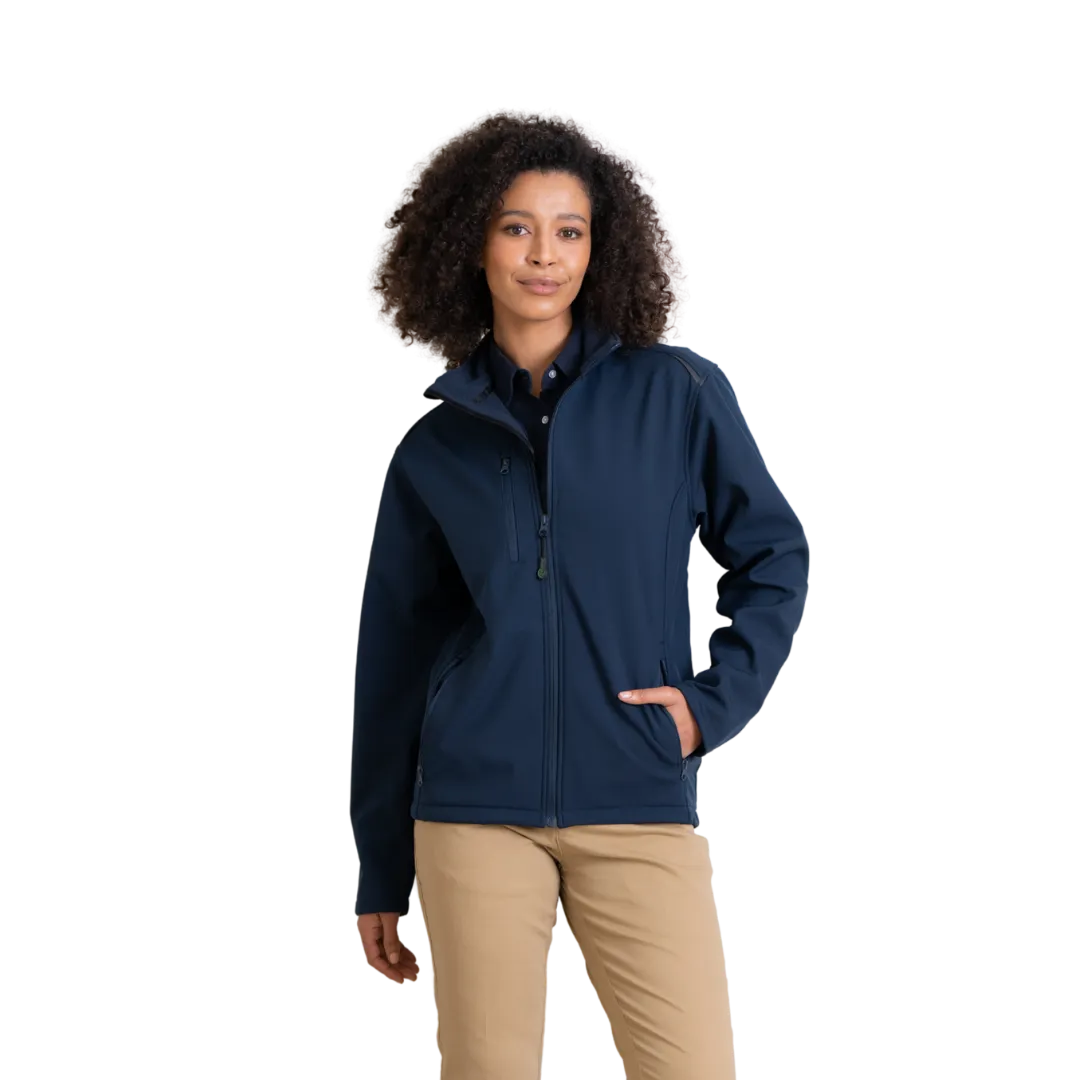
As the temperature drops, so does the tolerance for unfit uniforms. Cold mornings, darker days, and unpredictable weather can quickly expose gaps in a uniform program, and when staff feel it, so does the business. When employees are not properly equipped for changing weather conditions, discomfort…