The Most Common Uniform Mistakes (And How to Fix Them)
14.04.2026
Corporate

Quality shouldn’t hold a team back, yet when corners are cut in uniform design, the impact is felt across both people and brand. What should empower staff throughout their workday can instead lead to inconsistency and frustration when uniform quality issues are overlooked. With over 20 years of custom uniform expertise, Total Image understands what it takes to get it right. By breaking down the most common uniform problems and how to fix them, this guide highlights the key considerations for
Quality shouldn’t hold a team back, yet when corners are cut in uniform design, the impact is felt across both people and brand. What should empower staff throughout their workday can instead lead to inconsistency and frustration when uniform quality issues are overlooked.
With over 20 years of custom uniform expertise, Total Image (Total Image) understands what it takes to get it right. By breaking down the most common uniform problems and how to fix them, this guide highlights the key considerations for building a uniform range that blends fashion, function, and purpose.
One Size DoesNotFit All
The last thing staff should worry about is how their uniform fits. Instead of feeling confident and ready to take on the day, poorly fitted workwear can quickly become an uncomfortable distraction.
Garments that are too tight limit movement, while baggy clothing may cause snagging and appear untidy. These uniform problems go beyond comfort, directly impacting how employees perform and, ultimately, how your brand is perceived.
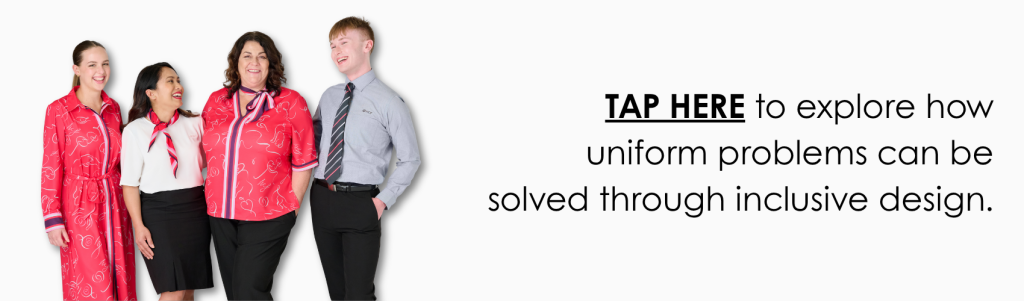
The solution lies in offering choice and inclusivity. Invest in a comprehensive sizing range and provide multiple style options for the same role, such as tailored and relaxed shirt cuts, or straight, slim and stretch pant fits.
Different body types may prefer certain silhouettes. Striking the right balance between comfort and offering a considered range of styles (without overwhelming choice) helps address common uniform problems while making it easier to onboard staff into dressing and looking the part.
Fabric Fails: Cheap Now, Expensive Later
Fabric is often overlooked, yet it plays a critical role in preventing costly uniform problems. What may seem like a small decision upfront can quickly lead to ongoing uniform quality issues if not carefully considered. While lower-cost fabrics may appear efficient initially, they often fade, pill, and lose their shape too quickly. In high-wear environments, this lack of durability accelerates replacement cycles, increasing long-term costs and contributing to unnecessary uniform waste.
The key to avoiding these uniform problems lies in understanding the purpose of each fabric and how it can be enhanced through thoughtful design. A bespoke, people-first approach ensures fabrics are selected not just for appearance, but for performance, creating solutions that work as hard as the people wearing them. Discover the styles teams rely on Total Image to incorporate into their uniform ranges:
Colour Clashes and Brand Confusion
Uniforms are one of the most visible expressions of a brand, so when consistency slips, the impact is immediate. Variations in shade, inconsistent production, or mismatched garments across locations can quickly dilute brand identity and create noticeable uniform quality issues.
This is where a uniform partner like Total Image becomes essential. By aligning every detail with a brand’s colour palette, a tailored approach ensures consistency across all garments, departments, and locations. Regardless of team size, the result is a scalable uniform solution that remains on-brand and unified at every touchpoint.
A strong example of this in practice is CVGT. With a unique colour palette of orange, blue, black, and tan, Total Image designed a flexible uniform range that adapts to different roles and environments. This approach reduceduniform quality issues while reinforcingthe brand’s commitment to workplace diversity.

TheUniform Problemof Poor Branding
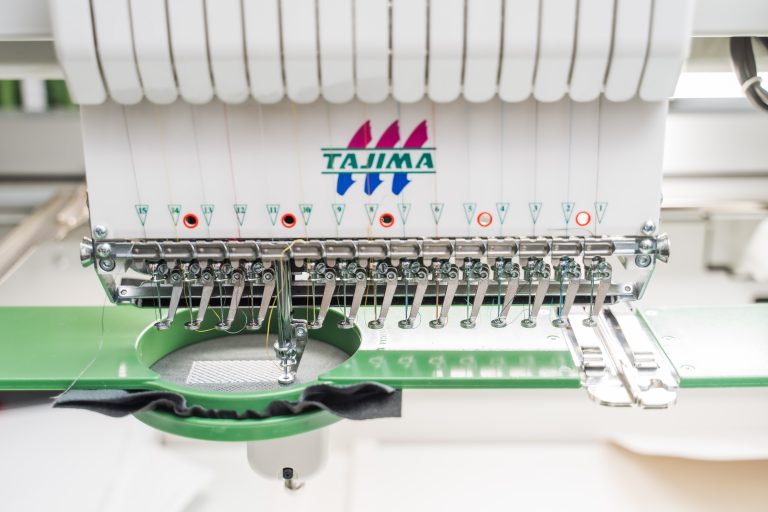
Branding is where uniform problems can emerge. A logo that’s too large, poorly positioned, or incorrectly applied can make even premium uniforms appear unrefined. When paired with low-quality finishes or excessive elements, these missteps quickly lead to uniform quality issues that clutter the overall look and weaken brand image.
Rather than treating branding as an afterthought, a considered and supported approach ensures logo applications are executed with precision. Whether through embroidery, print, or alternative techniques, taking the time to thoughtfully design branding elements helps create uniforms that achieve the desired impact.
Not Designing for Every Environment
Australia’s climate is uniquely diverse, and what works in a season for one state may not be entirely suitable for another. Designing uniforms without considering these regional and seasonal differences can quickly lead to uniform problems, from overheating in warmer climates to insufficient protection in cooler conditions.
Taking a proactive, climate-responsive approach helps prevent uniform quality issues before they arise. By incorporating performance-driven fabrics, adaptable layering options, and versatile designs, the result is a uniform range improves compliance while supporting staff comfort and maintaining a professional brand image all-year round.

Enquiries
EOFY Uniform Ordering: Why Now Is the Best Time to Plan Ahead
EOFY is the perfect time to rethink your uniform program The end of financial year is more than a time to close off budgets and tidy up paperwork. It is the perfect opportunity to look ahead, review what your team needs, and make sure your uniform program is working as hard as it should. Because

What Should a Uniform Include?
There’s more to a well-designed uniform than what meets the eye. From developing concepts that work as hard as your teams to ensuring consistency and support throughout rollout, it can be difficult to understand what a company uniform should include. As experts in custom uniform design, Total Image…
Beat the Chill with Smart Winter Uniform Updates
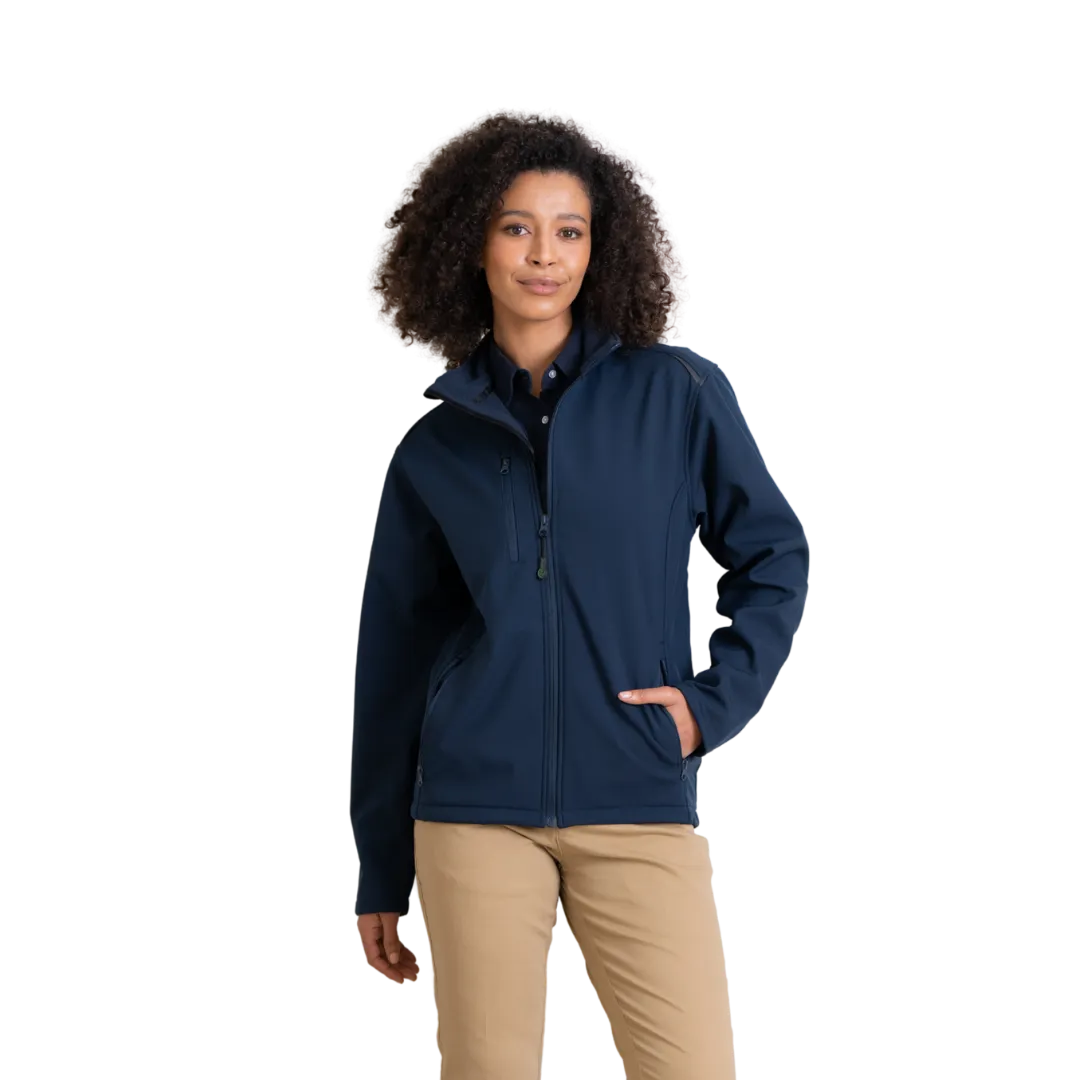
As the temperature drops, so does the tolerance for unfit uniforms. Cold mornings, darker days, and unpredictable weather can quickly expose gaps in a uniform program, and when staff feel it, so does the business. When employees are not properly equipped for changing weather conditions, discomfort…

How Uniforms Support a More Diverse and Inclusive Workforce
The role of uniforms is changing. As modern workforces become more diverse, organisations are rethinking what uniform programs should look like to better support the people wearing them. This is where inclusive uniforms come in. However, no two teams are the same, and inclusive uniforms are not a…